
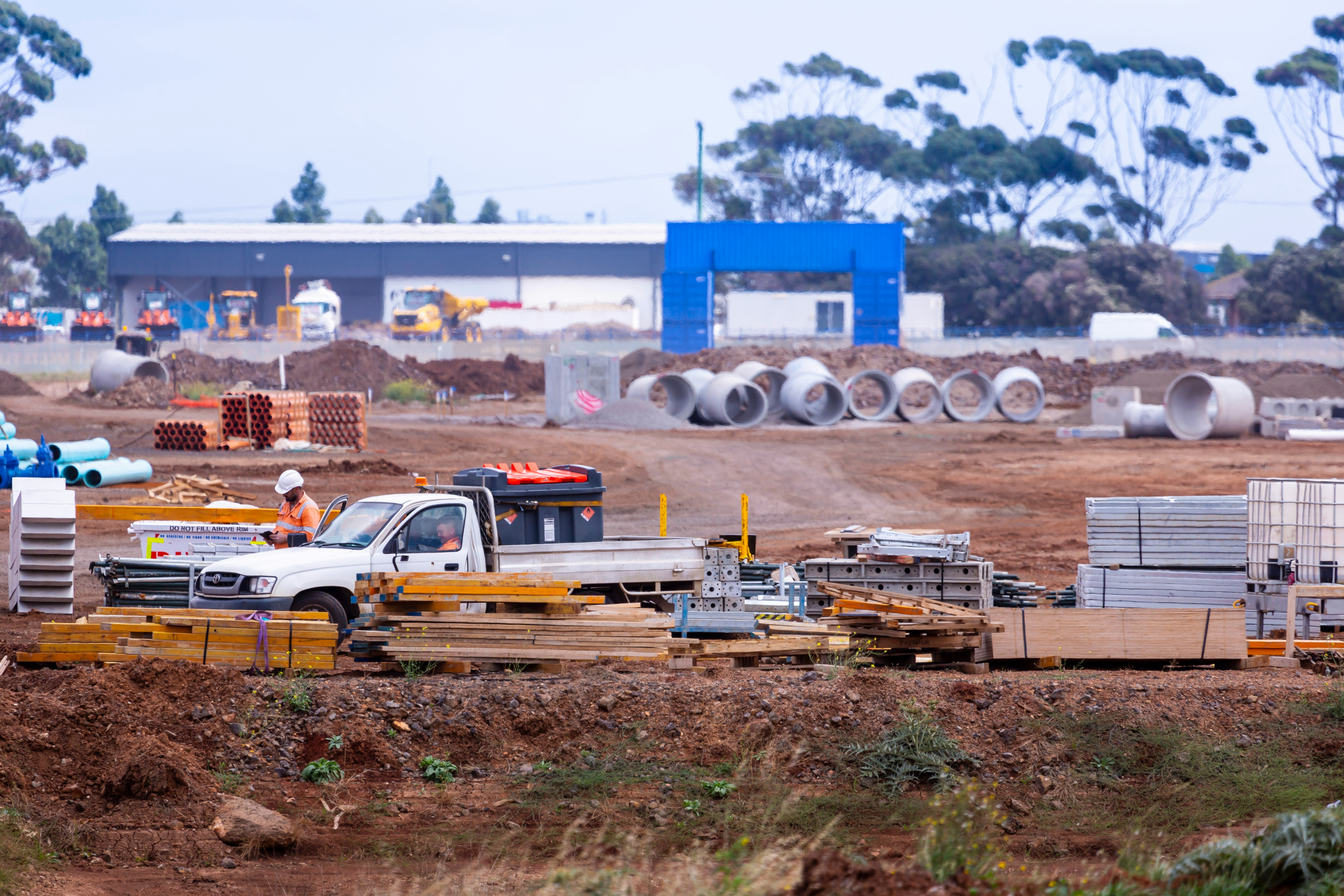
Psychosocial hazards are aspects of work design, organisation, and management that can cause psychological or physical harm. For fly-in fly-out (FIFO) and drive-in drive-out (DIDO) workforces, these hazards sit at the core of remote work arrangements. Workers commute to isolated sites, live in employer-provided accommodation for one to four weeks, work extended shifts, and then return home to reintegrate with family life. Each element of this cycle creates psychosocial risk. Research funded by the WA Mental Health Commission found that one-third of FIFO workers experience high or very high psychological distress. This rate exceeds three times that of the general Australian population. This article examines the specific psychosocial hazards present in FIFO and DIDO work and the risk controls employers must implement to meet their duty of care.
Understanding Psychosocial Hazards in FIFO and DIDO Work
Psychosocial hazards differ from physical hazards because they affect workers through psychological mechanisms such as stress, anxiety, depression, burnout, and trauma. These psychological effects then produce physical health consequences including cardiovascular disease, musculoskeletal disorders, and impaired immune function. Work health and safety legislation requires employers to eliminate or minimise psychosocial risks so far as is reasonably practicable. Employers must apply the same systematic approach used for physical hazards: identify, assess, control, and review. The Western Australian Code of Practice for FIFO workplaces identifies key psychosocial hazard categories relevant to remote work. These categories include job demands (workload, time pressure, emotional demands), low job control, poor support, poor organisational change management, inadequate reward and recognition, poor organisational justice, traumatic events, remote or isolated work, poor physical environment, violence and aggression, bullying, harassment, and conflict.
Job Demands and Work Design Hazards
FIFO and DIDO work creates high job demands that produce sustained psychological load. Workers typically operate 12-hour shifts across consecutive days, with the mining industry averaging 46.6 hours per week. This figure exceeds the national average by more than 12 hours. OSHA research on extended work hours demonstrates that working 12 hours daily increases injury risk by 37 percent. Accident rates rise 18 percent during evening shifts and 30 percent during night shifts compared to day shifts. These statistics reflect the cognitive and physical toll of sustained high demands. A study of FIFO miners found that after eight consecutive 12-hour shifts, performance decrements equalled impairment at a blood alcohol level of 0.05 percent. The psychosocial mechanism here is cumulative fatigue, a hazard that compounds across roster cycles when recovery time falls short.
Sleep deprivation operates as both a consequence of work demands and an amplifier of other psychosocial risks. Research tracking FIFO shift workers found sleep duration was 77 minutes shorter following night shifts and 30 minutes shorter after day shifts. This pattern creates accumulated sleep debt. Day shifts starting before 6am require 4am wake-ups and significantly reduce sleep opportunity. Employers can address this largely preventable health and safety risk through roster design by shifting start times, limiting consecutive shifts, and ensuring adequate recovery periods.
Low Job Control as a Psychosocial Hazard
Low job control, meaning limited autonomy over how, when, and where work gets done, is a well-established psychosocial hazard. Strong evidence links it to psychological distress and physical health outcomes. FIFO and DIDO workers experience constrained control across multiple domains. They cannot choose their accommodation, have limited influence over roster patterns, work in highly regulated environments with prescribed procedures, and remain geographically confined to remote sites. A study of 742 FIFO workers identified lack of control at work as the top-ranked issue perceived to impact mental health. This factor directly predicted poorer outcomes. Workers on casual arrangements report feeling particularly vulnerable because job insecurity compounds low control. The Curtin University research emphasises that giving employees autonomy over how they carry out their work, including task scheduling and choosing work methods, protects mental health and helps workers thrive.
Remote and Isolated Work: The Psychosocial Impact of Separation
Regulators explicitly recognise remote and isolated work as a psychosocial hazard because it removes workers from their normal support networks and creates conditions conducive to loneliness, anxiety, and depression. Research consistently finds that FIFO workers experience isolation at multiple levels: from families during extended rosters, from meaningful peer connections on site, and from supervisors who may not provide adequate informal support. Communication with loved ones becomes problematic, particularly on highly compressed rosters like 4:1 arrangements (four weeks on, one week off). Long shifts, poor reception, and site locations increase feelings of disconnection.
The psychological impact extends to workers' families. Studies of FIFO partners show they experience moderate to extreme loneliness regardless of whether the worker is home or away. Partners also report reduced sleep quality and increased emotional difficulties. Partners of FIFO workers have higher levels of emotional problems than other parents and face greater risk of using harsh discipline with children. Workers describe partners as "de facto single parents" and report guilt about missing significant family events. This illustrates how psychosocial hazards in FIFO work extend beyond the individual worker to affect family systems. Employers should address this through family support programs and inductions.
Poor Support: Supervisor Relationships and Organisational Culture
Inadequate support from supervisors, colleagues, and the organisation constitutes a significant psychosocial hazard. Research into FIFO and DIDO isolation found that while formal communication from supervisors was adequate, workers' trust in informal support from management was low and this impacted their mental health. Workers report that supervisors lack training in mental health literacy and do not know how to respond when colleagues show signs of distress. The predominantly male workforce (80 percent of mining workers are men) faces particular challenges with help-seeking. Research highlights concerns about low mental health literacy and stigma that discourages workers from seeking support. Notably, 26 percent of FIFO workers in one study could not recall any available mental health support options on site. This indicates that even where services exist, organisations fail to communicate them effectively. Systematic psychosocial hazard detection can help organisations identify gaps in support before they lead to harm.
Organisational culture plays a critical role in either mitigating or amplifying psychosocial risks. Workplaces that stigmatise mental health concerns, prioritise productivity over wellbeing, or tolerate bullying behaviour create environments where psychosocial hazards compound. The Curtin University research found that workers who perceive their workplace culture as supportive of mental health experience better outcomes, while those who perceive stigma and barriers to care experience worse outcomes. This points to culture change as a control measure. Organisations must move beyond merely providing EAP services to actively fostering environments where seeking help is normalised and supported.
Bullying, Harassment, and Interpersonal Conflict
Workplace bullying is both a psychosocial hazard in its own right and an indicator of broader organisational dysfunction. Large-scale FIFO research identified bullying behaviour as a significant factor affecting mental health. Workers reported both direct experiences and witnessing bullying of others. The isolated nature of FIFO camps may intensify bullying dynamics. Workers cannot easily leave the environment, must live alongside those who bully them, and may fear reporting due to job security concerns or the perception that complaints will not receive proper attention. Effective control requires clear anti-bullying policies, confidential reporting mechanisms, genuine investigation of complaints, and leadership modelling of respectful behaviour. Harassment and conflict similarly require structured detection and response systems.
Exposure to Traumatic Events
Mining and construction involve inherently hazardous work with potential for serious injuries and fatalities. Workers may witness accidents, participate in emergency responses, or lose colleagues to workplace incidents. Additionally, the elevated rates of psychological distress and suicide in FIFO populations mean workers may encounter mental health crises or deaths by suicide among their peers. Research using 19 years of coronial data estimated the suicide rate for male mining workers at approximately 25 per 100,000, higher than comparable industries. The MATES in Mining program reports that suicide rates are 80 percent higher in mining, construction, and energy sectors than in the general population. Employers must have trauma response protocols, provide psychological first aid training, and ensure post-incident support is available.
Physical Environment as a Psychosocial Factor
While physical hazards like noise, heat, and air quality have direct health effects, they also operate psychosocially by increasing stress, reducing sleep quality, and limiting recovery. Research on FIFO accommodation identifies several environmental factors that impact worker wellbeing. These include sleeping quarters situated near food and leisure zones creating noise disturbance, inadequate separation between day-shift and night-shift workers, generator noise, and poor building materials that fail to insulate against extreme temperatures. Research found that having a permanent private room on site links with better mental health compared to shared or rotating accommodation arrangements. Camp quality also affects workers' ability to exercise, socialise, and engage in activities that support mental health. Poor physical environments limit these protective factors and require systematic assessment as part of psychosocial risk management.
Roster Design: A Primary Psychosocial Risk Control
Roster patterns are not merely operational decisions. They are fundamental determinants of psychosocial risk exposure. Research demonstrates that even-time and shorter rosters (such as 2:2 or 8:6 arrangements) associate with better mental health outcomes than highly compressed rosters like 4:1. Working day shifts only produces better outcomes than rotating between day and night shifts. High-compression rosters and long travel distances encroach on recovery time, increasing stress and fatigue while reducing time available for family relationships, exercise, and other protective activities. The Australian Government acknowledges that FIFO workers experience higher psychological distress partly due to extended time away from family, friends, and support networks. Employers should therefore treat roster design as a psychosocial risk control, with consultation processes allowing worker input and consideration of family circumstances.
Applying the Hierarchy of Controls to Psychosocial Hazards
The WA Code of Practice recommends applying standard risk management processes to psychosocial hazards. Elimination would mean removing FIFO arrangements entirely. This is not practicable for remote operations, though some employers have increased residential workforces where possible. Substitution might involve replacing highly compressed rosters with even-time arrangements, or rotating workers through less isolated sites. Engineering controls include designing accommodation to minimise noise transfer, providing reliable communication infrastructure, and ensuring adequate recreational facilities. Administrative controls encompass roster policies, mental health training, clear reporting procedures for bullying, and accessible EAP services. Personal protective equipment has limited application to psychosocial hazards, though individual coping strategies and resilience training can supplement organisational controls. For guidance on implementing psychosocial controls effectively, see ReFresh's control implementation framework.
Key control measures for FIFO and DIDO psychosocial hazards include: designing rosters that provide sufficient recovery time with worker consultation; providing mental health training for supervisors including recognition of distress signs and supportive response; ensuring reliable communication infrastructure for family contact; providing quality accommodation with private rooms, noise management, and recreational facilities; delivering mental health first aid and suicide prevention programs like MATES in Mining; ensuring accessible and well-communicated EAP services; developing supportive culture through leadership commitment and stigma reduction; providing family inductions and support programs; implementing effective anti-bullying policies with confidential reporting; and establishing trauma response protocols.
Industry Programs Addressing Psychosocial Risk
Several industry programs specifically target psychosocial hazards in FIFO work. MATES in Mining trains workplace volunteers called "Connectors" to identify colleagues in distress and provide peer support. This addresses the psychosocial hazard of poor support through building on-site networks. Evaluation shows improvements in worker confidence identifying mental health concerns and perceptions of workplace culture. Other programs include FIFOFOCUS (online courses and counselling addressing isolation and coping), Health-e-mines (self-help tools and intensive programs for substance use and mental health), and This FIFO Life (peer support created by workers themselves). Major companies have implemented specific initiatives. Rio Tinto provides peer support programs and leadership mental health training. BHP partners with Beyond Blue and conducts employee perception surveys including mental wellness indicators. BHP reports EAP usage 47 percent higher than industry benchmarks.
Monitoring Psychosocial Risk and Review
Effective psychosocial risk management requires ongoing monitoring rather than one-time assessment. The Curtin University research recommends that employers assess psychosocial risks and monitor mental health alongside the factors that affect it. This includes regular workforce surveys, monitoring EAP utilisation, tracking turnover and absenteeism patterns, and reviewing incident reports for psychosocial factors. Leading indicators such as worker perceptions of support, control, and culture should supplement lagging indicators like compensation claims and diagnosed conditions. Review processes should assess whether controls work effectively, identify emerging hazards, and incorporate worker feedback. Given that only 10 percent of FIFO partners received inductions about FIFO life in one study, organisations should also review whether family support programs reach their intended recipients. For structured approaches to psychosocial monitoring, see ReFresh's management framework.
Conclusion: Psychosocial Safety as a Core Obligation
FIFO and DIDO work arrangements create psychosocial hazards through their fundamental structure: extended separation from support networks, high job demands, low control, isolated environments, and compressed timeframes for recovery. These are not inevitable consequences of remote work. They are identifiable hazards amenable to systematic risk management. Employers have legal duties under work health and safety legislation to identify psychosocial hazards, assess risks, implement controls, and monitor effectiveness. The evidence base now clearly establishes which factors harm FIFO worker mental health and which factors protect it. What remains is the organisational commitment to treat psychological safety with the same rigour applied to physical safety. This means moving beyond reactive EAP provision toward proactive hazard elimination: designing rosters for recovery, building supportive cultures, ensuring quality accommodation, training supervisors in mental health literacy, and consulting workers about the conditions of their employment. The business case aligns with the moral case. Mentally healthy workplaces experience lower turnover, higher productivity, and stronger reputations for respecting their workforce. For the approximately 60,000 Australians in FIFO employment and their families, effective psychosocial risk management is not an optional enhancement but a fundamental requirement of safe work.
How ReFresh Can Help with Remote Work Arrangements
Managing psychosocial hazards in FIFO and DIDO workforces presents unique challenges. Traditional approaches like periodic surveys, manual risk registers, and reactive wellbeing programs were never designed to meet WHS standards for hazard management or provide the governance evidence regulators now expect. ReFresh offers a purpose-built psychosocial compliance and HR risk management platform that addresses these gaps.
For organisations with remote workforces, ReFresh provides continuous monitoring of psychosocial risk patterns across the organisation. Leaders gain early visibility into issues before they escalate. The platform analyses anonymised language and behavioural patterns across workplace communication to identify emotional, psychosocial, and compliance signals. This approach proves particularly valuable for dispersed FIFO and DIDO teams where face-to-face observation is limited and traditional survey methods capture only periodic snapshots.
ReFresh supports the full risk management cycle required under WHS legislation: detection, risk assessment, control implementation, ongoing management, and governance reporting. The platform maps psychosocial and cultural risk patterns, connects detected risks with trusted partners and automated interventions, and generates board-ready reporting that demonstrates compliance with regulatory obligations. For FIFO and DIDO employers, this means the ability to identify emerging issues such as burnout, isolation, or culture risks in specific teams or sites, then implement targeted controls and track their effectiveness.
The platform integrates with existing communication, HR, and risk systems, allowing organisations to eliminate error-prone manual data entry while maintaining comprehensive audit trails. ReFresh partners with leading providers including Deel (global payroll and HR), Sonder (employee assistance), and others to connect psychosocial risk management with appropriate support and response pathways. This integrated approach helps organisations move beyond box-ticking toward genuine risk reduction.
From 1 December 2025, psychosocial hazards are formally regulated nationwide under Australian WHS law, requiring employers to identify, assess, control, and manage psychosocial risks with the same rigour as physical safety hazards. For FIFO and DIDO employers already operating in high-risk environments, ReFresh provides the structured systems needed to meet these obligations while genuinely protecting worker mental health and wellbeing.
Disclaimer
This article provides general information about psychosocial hazards in FIFO and DIDO work arrangements and is intended for educational purposes only. It does not constitute legal, medical, or professional advice. While every effort has been made to ensure accuracy, readers should verify information independently and consult qualified professionals for advice specific to their circumstances.
The statistics and research findings cited in this article were accurate at the time of writing based on the sources referenced. Workplace health and safety legislation, codes of practice, and research findings may change over time. Employers should consult current regulatory guidance and seek professional advice when developing psychosocial risk management systems.
Nothing in this article creates a client relationship or professional engagement. The mention of specific programs, services, or platforms does not constitute an endorsement. Organisations should conduct their own due diligence when selecting tools and services for psychosocial risk management.
If you or someone you know is experiencing a mental health crisis, please contact Lifeline on 13 11 14, Beyond Blue on 1300 22 4636, or emergency services on 000.

When the investigation becomes the hazard: what one IRC decision means for how organisations manage workplace investigations
Luke Giuseppin
April 8, 2026

One psychosocial complaint can trigger an organisation-wide review. A recent NSW decision confirms it.
Luke Giuseppin
April 1, 2026


The healthcare Code of Practice just landed in NSW. Here's what it means for psychosocial risk in aged care, disability, and health.
Harrison Kennedy
March 31, 2026