Health and Safety Team
You have a system for physical safety. ReFresh completes it for psychosocial.
ReFresh is the psychosocial operating system that sits alongside SafetyCulture, Donesafe, or your existing platform as the dedicated psychosocial layer, giving your safety team the same rigour for psychosocial hazards without replacing the system they already trust. Same discipline. Specialised OS.
Health and Safety Team
You have a system for physical safety. ReFresh completes it for psychosocial.
ReFresh is the psychosocial operating system that sits alongside SafetyCulture, Donesafe, or your existing platform as the dedicated psychosocial layer, giving your safety team the same rigour for psychosocial hazards without replacing the system they already trust. Same discipline. Specialised OS.
trusted by leading ASX & Global enterprises













trusted by leading ASX & Global enterprises
FEATURES
ReFresh provides the psychosocial assessment methodology your WHS platform was not built for
ReFresh is the psychosocial operating system that provides the assessment methodology, control frameworks, and evidence standards specifically designed for the hazard class your general WHS platform was not built to handle. Physical hazard identification works by observation: inspect a site, identify a risk, document it. Psychosocial hazards like fatigue, low job control, bullying, poor organisational change management, and violence require structured survey instruments, data analysis across roles and shifts, and assessment against all 17 categories in the Code of Practice. You cannot walk a floor and observe them.
Adding a psychosocial module to your existing WHS platform is a starting point, but it typically produces tick-and-flick documentation rather than the depth of risk intelligence a regulator expects. The OS provides the specialised assessment methodology, the structured control tracking, and the continuous governance evidence that your general platform was not designed to generate. Your safety team keeps the system they trust for physical safety. The OS handles what it was not designed for.
Structured psychosocial assessment aligned to the Code of Practice
All 17 hazard categories with shift and role analysis
Assessment methods designed for non-observable hazards
Evidence depth beyond tick-and-flick checklists
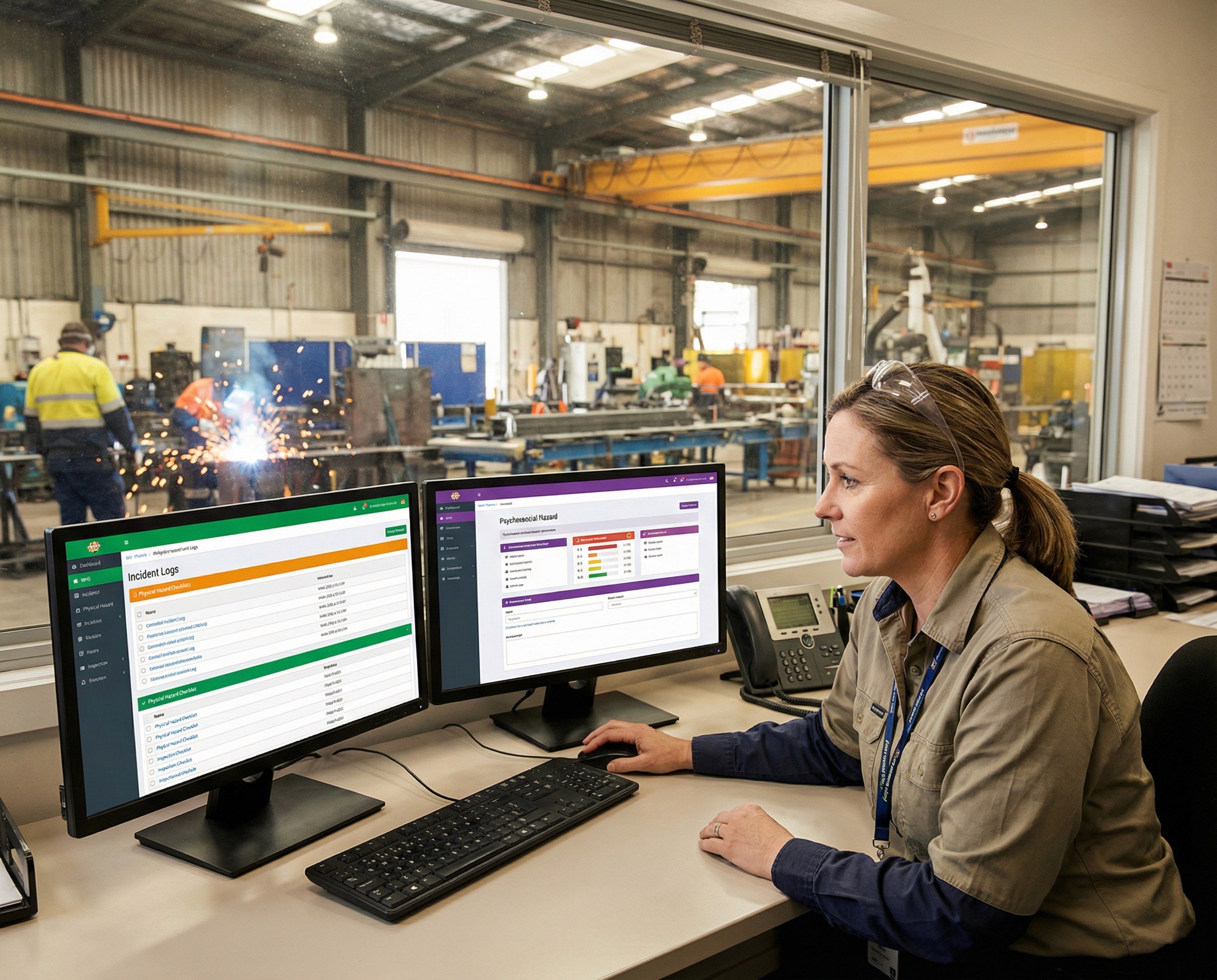
ReFresh provides the psychosocial assessment methodology your WHS platform was not built for
ReFresh is the psychosocial operating system that provides the assessment methodology, control frameworks, and evidence standards specifically designed for the hazard class your general WHS platform was not built to handle. Physical hazard identification works by observation: inspect a site, identify a risk, document it. Psychosocial hazards like fatigue, low job control, bullying, poor organisational change management, and violence require structured survey instruments, data analysis across roles and shifts, and assessment against all 17 categories in the Code of Practice. You cannot walk a floor and observe them.
Adding a psychosocial module to your existing WHS platform is a starting point, but it typically produces tick-and-flick documentation rather than the depth of risk intelligence a regulator expects. The OS provides the specialised assessment methodology, the structured control tracking, and the continuous governance evidence that your general platform was not designed to generate. Your safety team keeps the system they trust for physical safety. The OS handles what it was not designed for.
Structured psychosocial assessment aligned to the Code of Practice
All 17 hazard categories with shift and role analysis
Assessment methods designed for non-observable hazards
Evidence depth beyond tick-and-flick checklists
The OS runs alongside your WHS platform without replacing it or duplicating workflows
ReFresh operates alongside SafetyCulture, Donesafe, Lucidity, or myosh as the dedicated psychosocial operating system, with integration points that connect incident data without duplicating workflows. Incidents reported through your existing WHS system that have a psychosocial dimension flow into the OS for structured investigation, root cause analysis, and connection to the psychosocial risk register and control framework. Physical safety management continues in your existing system. The OS handles safety orchestration for psychosocial hazards: controls with named ownership, deadlines, effectiveness monitoring, and a time-stamped audit trail.
For organisations operating across multiple sites in different states, the OS provides location-scoped compliance with jurisdiction-aware mapping. A factory floor in Victoria faces different regulatory requirements than a construction site in NSW. The operating system handles those differences within a single consolidated view, giving your safety team an organisational picture without requiring separate processes per jurisdiction. The time this saves is where the value compounds: your safety team manages safety instead of managing systems.
API-forward approach with integrations to multiple WHS platforms
Psychosocial incident data routed from existing systems
No workflow duplication or parallel reporting
Location-scoped compliance with jurisdiction-aware mapping
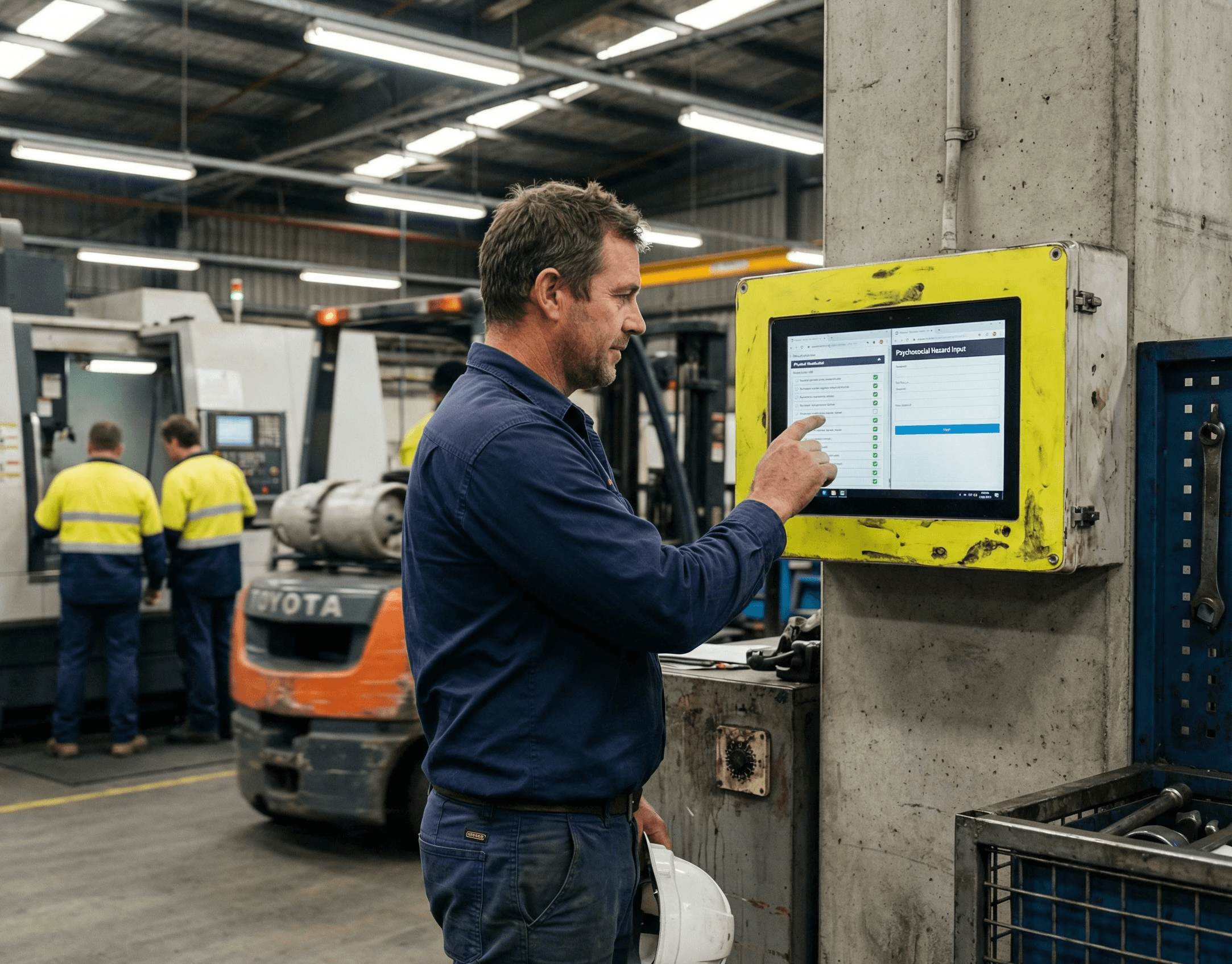
The OS runs alongside your WHS platform without replacing it or duplicating workflows
ReFresh operates alongside SafetyCulture, Donesafe, Lucidity, or myosh as the dedicated psychosocial operating system, with integration points that connect incident data without duplicating workflows. Incidents reported through your existing WHS system that have a psychosocial dimension flow into the OS for structured investigation, root cause analysis, and connection to the psychosocial risk register and control framework. Physical safety management continues in your existing system. The OS handles safety orchestration for psychosocial hazards: controls with named ownership, deadlines, effectiveness monitoring, and a time-stamped audit trail.
For organisations operating across multiple sites in different states, the OS provides location-scoped compliance with jurisdiction-aware mapping. A factory floor in Victoria faces different regulatory requirements than a construction site in NSW. The operating system handles those differences within a single consolidated view, giving your safety team an organisational picture without requiring separate processes per jurisdiction. The time this saves is where the value compounds: your safety team manages safety instead of managing systems.
API-forward approach with integrations to multiple WHS platforms
Psychosocial incident data routed from existing systems
No workflow duplication or parallel reporting
Location-scoped compliance with jurisdiction-aware mapping
ReFresh tracks psychosocial controls with the same evidence standards your safety team expects
ReFresh produces time-stamped, audit-ready evidence that follows the evidentiary standards your safety team already applies to physical hazard management. The OS traces from initial hazard identification through risk assessment, control assignment, effectiveness monitoring, and review, with every action time-stamped and linked. When a regulator asks for evidence of systematic psychosocial hazard management, the documentation is in a format your safety team already understands: named owners, documented controls, review dates, effectiveness data.
The $379,157 fine in Victoria's first psychosocial-specific prosecution establishes the regulatory precedent, and SafeWork NSW has committed $127.7 million in enforcement funding. Psychological injury claims cost three to four times more than physical claims and take five times longer to resolve. For a manufacturing organisation that manages workers' compensation premiums carefully, a single psychological injury claim can wipe out years of premium management. The OS extends the rigour your safety team already applies to the hazard class where that rigour has been missing.
Named control ownership with documented deadlines
Effectiveness monitoring and structured review evidence
Time-stamped audit trail in a format safety teams recognise
Regulator-ready evidence packs generated on demand

ReFresh tracks psychosocial controls with the same evidence standards your safety team expects
ReFresh produces time-stamped, audit-ready evidence that follows the evidentiary standards your safety team already applies to physical hazard management. The OS traces from initial hazard identification through risk assessment, control assignment, effectiveness monitoring, and review, with every action time-stamped and linked. When a regulator asks for evidence of systematic psychosocial hazard management, the documentation is in a format your safety team already understands: named owners, documented controls, review dates, effectiveness data.
The $379,157 fine in Victoria's first psychosocial-specific prosecution establishes the regulatory precedent, and SafeWork NSW has committed $127.7 million in enforcement funding. Psychological injury claims cost three to four times more than physical claims and take five times longer to resolve. For a manufacturing organisation that manages workers' compensation premiums carefully, a single psychological injury claim can wipe out years of premium management. The OS extends the rigour your safety team already applies to the hazard class where that rigour has been missing.
Named control ownership with documented deadlines
Effectiveness monitoring and structured review evidence
Time-stamped audit trail in a format safety teams recognise
Regulator-ready evidence packs generated on demand
Governance evidence across every site, generated by the ReFresh OS
ReFresh generates governance reporting from the operational data the safety team works with, so executives and boards receive structured visibility into psychosocial risk without a separate reporting exercise. The OS aggregates risk data across sites, shifts, hazard categories, and jurisdictions, presenting the organisation's compliance posture and the status of controls in a format designed for governance oversight.
For safety leaders managing multiple sites, the OS provides the consolidated view they have never had for psychosocial risk: which hazards are most prevalent, which controls are working, which sites need attention, and whether the organisation's overall management approach is defensible. The operating system runs continuously, which means the evidence is always current and the evidence pack for any site is ready on demand. Your safety team stops assembling reports and starts using the time for the work that matters.
Consolidated reporting across sites, shifts, and jurisdictions
Compliance posture and control status for executives and boards
Site-level evidence packs ready on demand
Current-state data, not retrospective snapshots
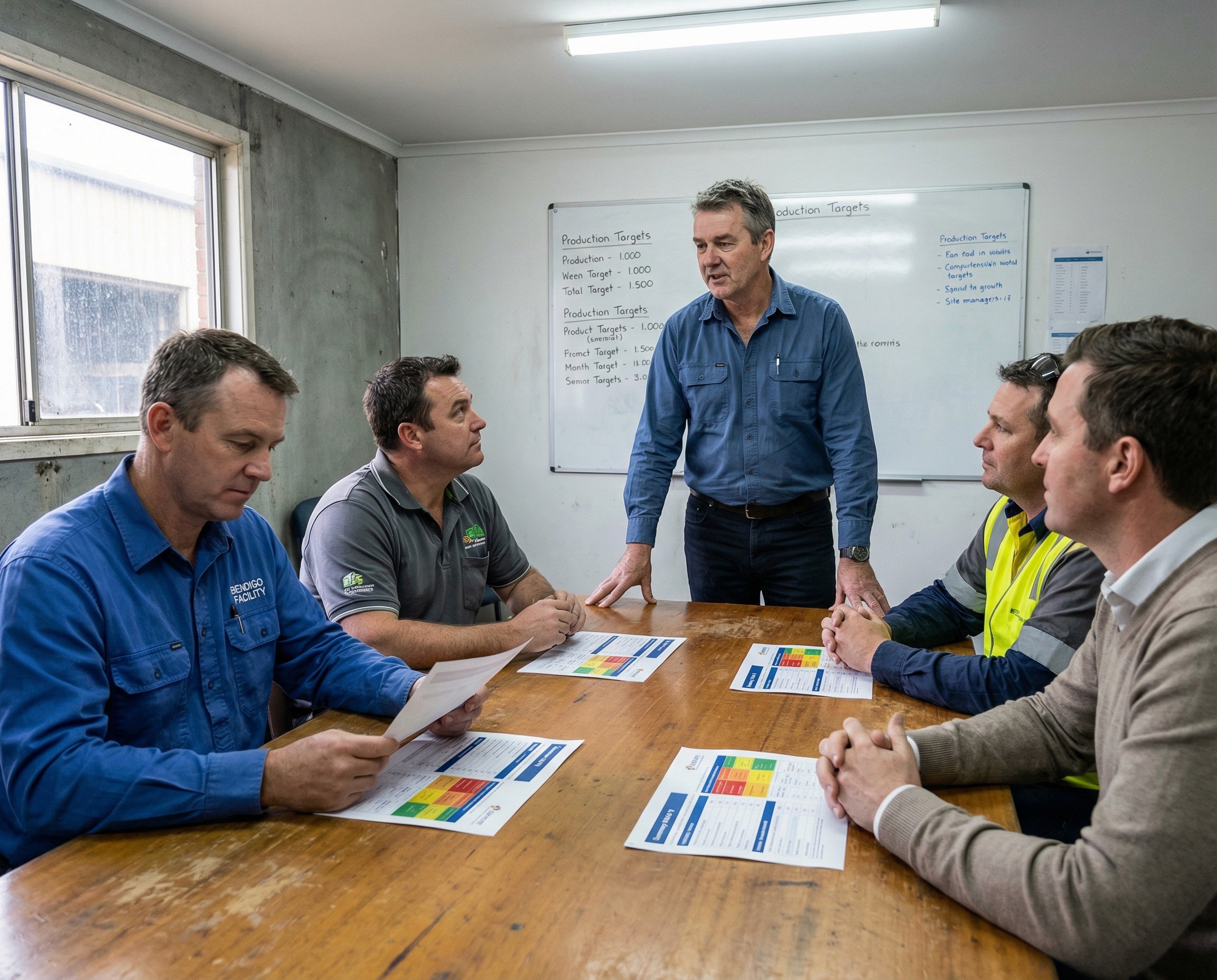
Governance evidence across every site, generated by the ReFresh OS
ReFresh generates governance reporting from the operational data the safety team works with, so executives and boards receive structured visibility into psychosocial risk without a separate reporting exercise. The OS aggregates risk data across sites, shifts, hazard categories, and jurisdictions, presenting the organisation's compliance posture and the status of controls in a format designed for governance oversight.
For safety leaders managing multiple sites, the OS provides the consolidated view they have never had for psychosocial risk: which hazards are most prevalent, which controls are working, which sites need attention, and whether the organisation's overall management approach is defensible. The operating system runs continuously, which means the evidence is always current and the evidence pack for any site is ready on demand. Your safety team stops assembling reports and starts using the time for the work that matters.
Consolidated reporting across sites, shifts, and jurisdictions
Compliance posture and control status for executives and boards
Site-level evidence packs ready on demand
Current-state data, not retrospective snapshots
SECURITY & COMPLIANCE
Your data.
Always protected.
Your data.
Always protected.
Your data.
Always protected.
Refresh is GDPR, SOC2, & USDP compliant
Refresh is GDPR, SOC2, & USDP compliant



Security standards
We are GDPR, SOC2, and USDP compliant. AWS hosts our app, and we undergo annual third-party audits to ensure platform and infrastructure security.
Security standards
We are GDPR, SOC2, and USDP compliant. AWS hosts our app, and we undergo annual third-party audits to ensure platform and infrastructure security.
Anonymous by design
Sensitive psychosocial information is handled by design. Data is structured and access-controlled so information is only visible where necessary.
Anonymous by design
Sensitive psychosocial information is handled by design. Data is structured and access-controlled so information is only visible where necessary.
Custom permissions
Set clear boundaries with flexible permissions. Admins and teams manage access, keeping data visible only where it belongs.
Custom permissions
Set clear boundaries with flexible permissions. Admins and teams manage access, keeping data visible only where it belongs.
Custom permissions
Set clear boundaries with flexible permissions. Admins and teams manage access, keeping data visible only where it belongs.
GOT QUESTIONS?
Frequently asked questions
Frequently asked questions
What psychosocial risks are most common in manufacturing and construction?
Shift work and fatigue, exposure to traumatic events, bullying and harassment in some site cultures, and isolated or remote work. These sit alongside the physical hazards these sectors already manage closely.
Our WHS platform has a psychosocial module. Why do we need the ReFresh?
How does incident data flow between systems?
What hazards are most prevalent in manufacturing and construction?
Can we manage compliance across sites in different states?
What evidence would a regulator expect?