
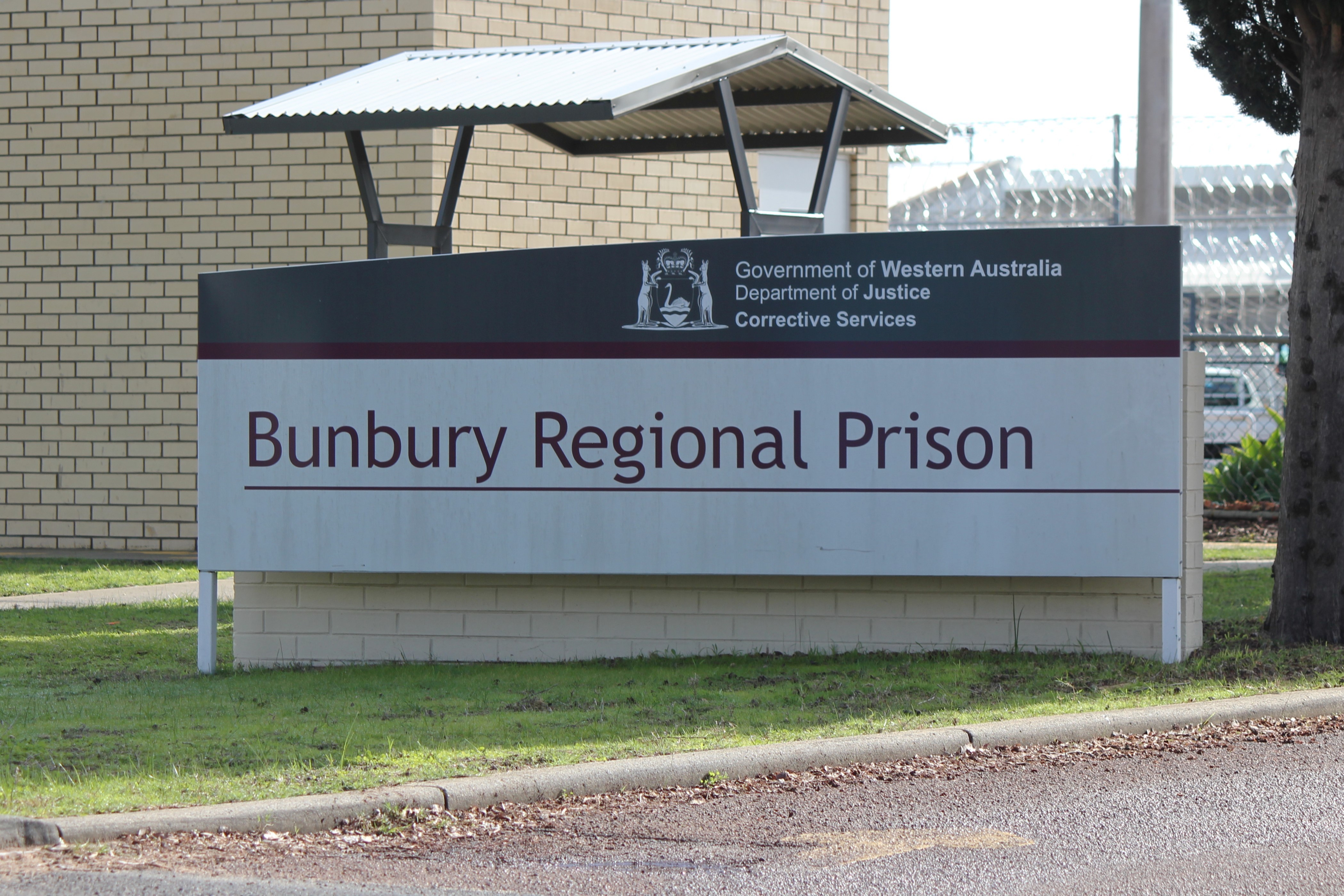
In September 2025, WorkSafe WA discontinued its prosecution of the Western Australian Department of Justice in relation to the psychological injury of a former prison officer at Bunbury Regional Prison. The decision was made on the basis of "fresh evidence" obtained in the course of the proceedings.
This was the first psychosocial hazards prosecution WorkSafe WA had commenced under the Work Health and Safety Act 2020 (WA). It is worth understanding what the withdrawal means, and what it does not.
What happened
WorkSafe WA charged the Department of Justice in October 2024 with failing to provide and maintain a safe work environment and, by that failure, causing serious harm to a worker. The charges were Category 1 offences under section 31 of the WHS Act, carrying a maximum penalty of $3.5 million. Under the WA WHS Act, the only offence higher than Category 1 is industrial manslaughter.
WorkSafe alleged the Department did not have procedures in place to deal with inappropriate workplace behaviours at the prison, including bullying, harassment, sexual harassment, and victimisation. An improvement notice had been issued in March 2023 requiring the Department to implement such procedures. WorkSafe alleged the Department failed to comply even after being granted an extension.
In September 2025, WorkSafe discontinued the prosecution citing fresh evidence. The regulator noted that the Department has improved its management of psychosocial hazards in recent years.
What the withdrawal does not mean
The withdrawal does not mean that psychosocial hazard failures cannot be prosecuted in Western Australia. It does not reverse the precedent that WorkSafe WA set by bringing Category 1 charges for psychosocial compliance failures. It does not signal that the regulator has reconsidered its position on treating psychological hazards with the same gravity as physical hazards.
A withdrawal based on "fresh evidence obtained in the course of proceedings" is a different outcome from a withdrawal because the legal test for a psychosocial prosecution could not be met. The distinction matters. WorkSafe's statement that the Department has improved its management of psychosocial hazards suggests the evidence available at the time of charging may have been overtaken by changes the Department made during the period between the original allegations and the proceedings.
The NSW parallel
The WA withdrawal is not an isolated event. In March 2025, SafeWork NSW withdrew its prosecution of Western Sydney Local Health District after three weeks of hearings and 20 witnesses. That prosecution had alleged failures to manage psychosocial risks during workplace complaints and grievance handling. The withdrawal followed the Health District successfully objecting to expert evidence regarding the alleged risk.
Legal commentary has noted that both withdrawals highlight the difficulty regulators face in proving breaches of the WHS Act in the context of psychosocial risk management. These are new and complex areas of enforcement. The evidentiary standards for establishing a breach, the boundaries of reasonable management action, and the causal link between a psychosocial hazard and harm are all being tested for the first time.
But the fact that regulators are testing these boundaries is itself the signal. Two years ago, no regulator in Australia had brought a Category 1 prosecution for psychosocial hazard failures. WorkSafe WA did. The case did not proceed to conviction, but it changed the enforcement landscape permanently.
What this means
The decision to bring the prosecution mattered more than the decision to withdraw it. It established that Australian regulators are prepared to lay the most serious charges available for psychosocial failures. It put every PCBU in the country on notice that psychosocial hazards attract the same enforcement tools as physical safety breaches: improvement notices, prohibition notices, and prosecution up to and including Category 1.
WorkSafe WA has stated it will continue to monitor the Department's compliance. The former employee continues to pursue civil action. And the broader regulatory trend has not slowed. Victoria commenced new psychosocial regulations in December 2025. SafeWork NSW issued over 500 non-compliance notices in a compliance blitz in July 2025. The CSV conviction in Victoria, with its $379,157 fine, remains the benchmark for what happens when a regulator can demonstrate a complete absence of psychosocial risk management.
The WA prosecution was withdrawn. The enforcement trajectory was not.
Disclaimer: This article provides general information on psychosocial compliance in Australian workplaces. It does not constitute legal advice. Organisations should consult qualified professionals for advice specific to their circumstances. Information cited is sourced from WorkSafe WA, Ashurst, Kingston Reid, and relevant legal analyses as of the date of publication.